From one grandmother's kitchen to every family's table.
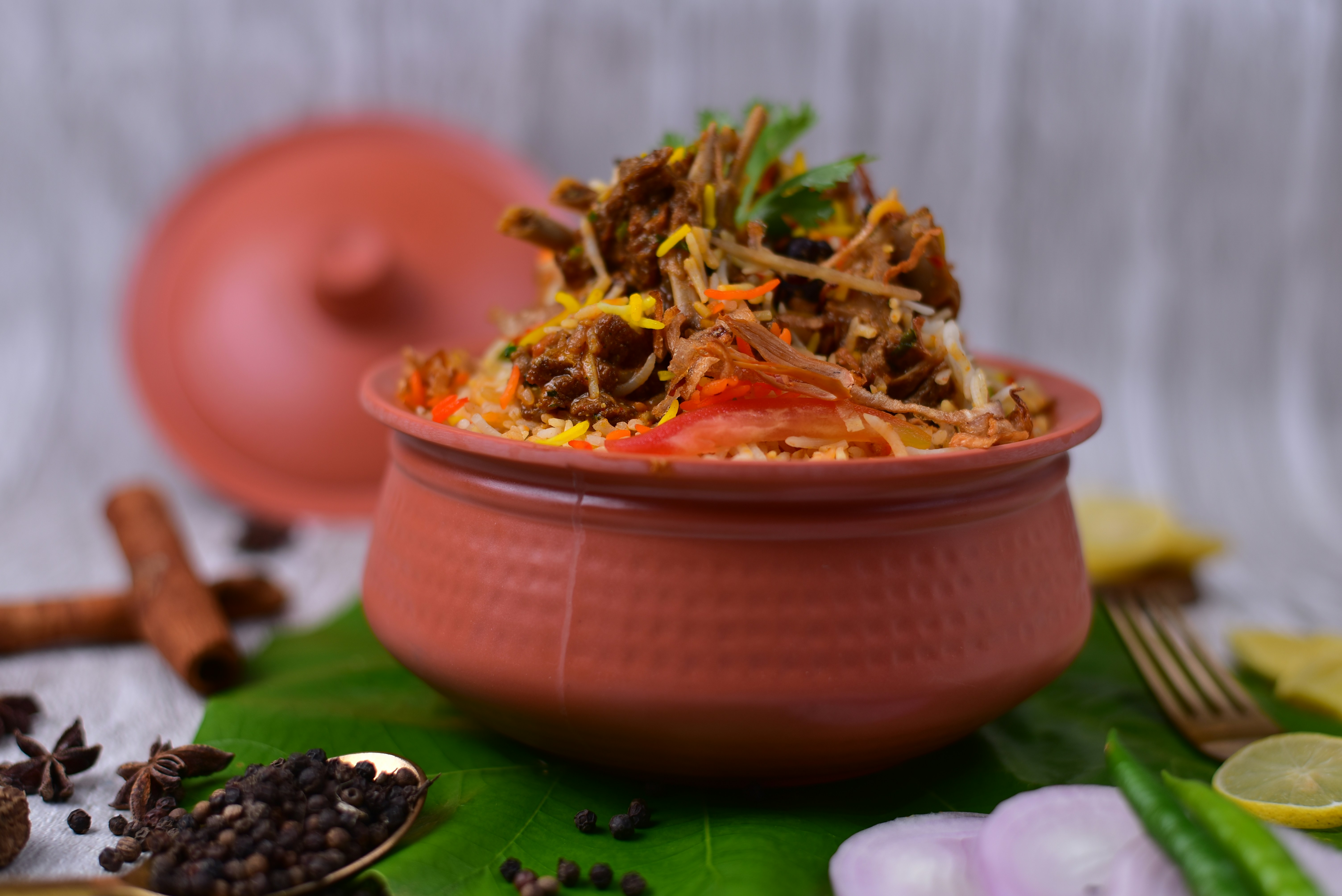
A village in Lahore, a grandmother's kitchen, a lamb stew that crossed borders.
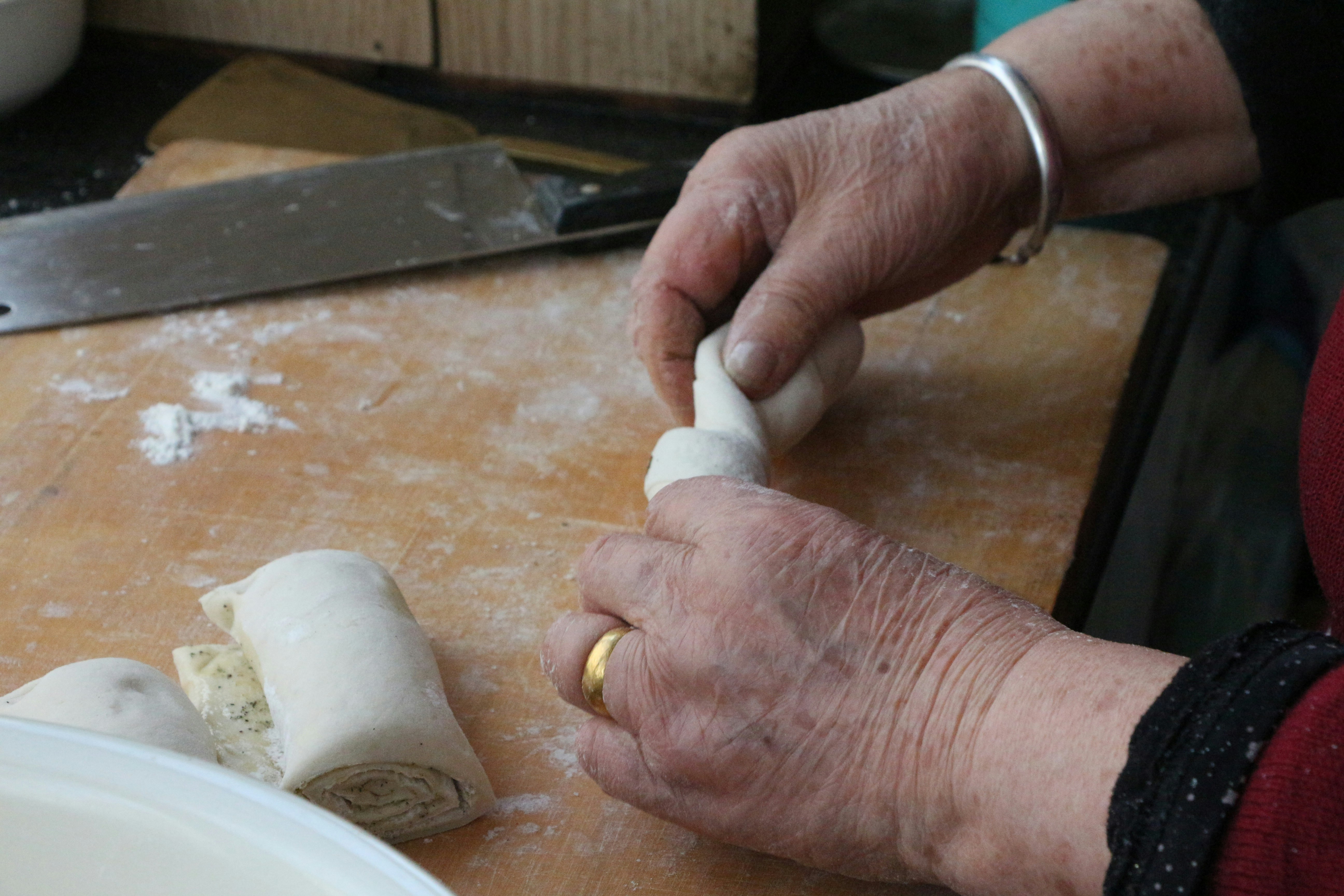
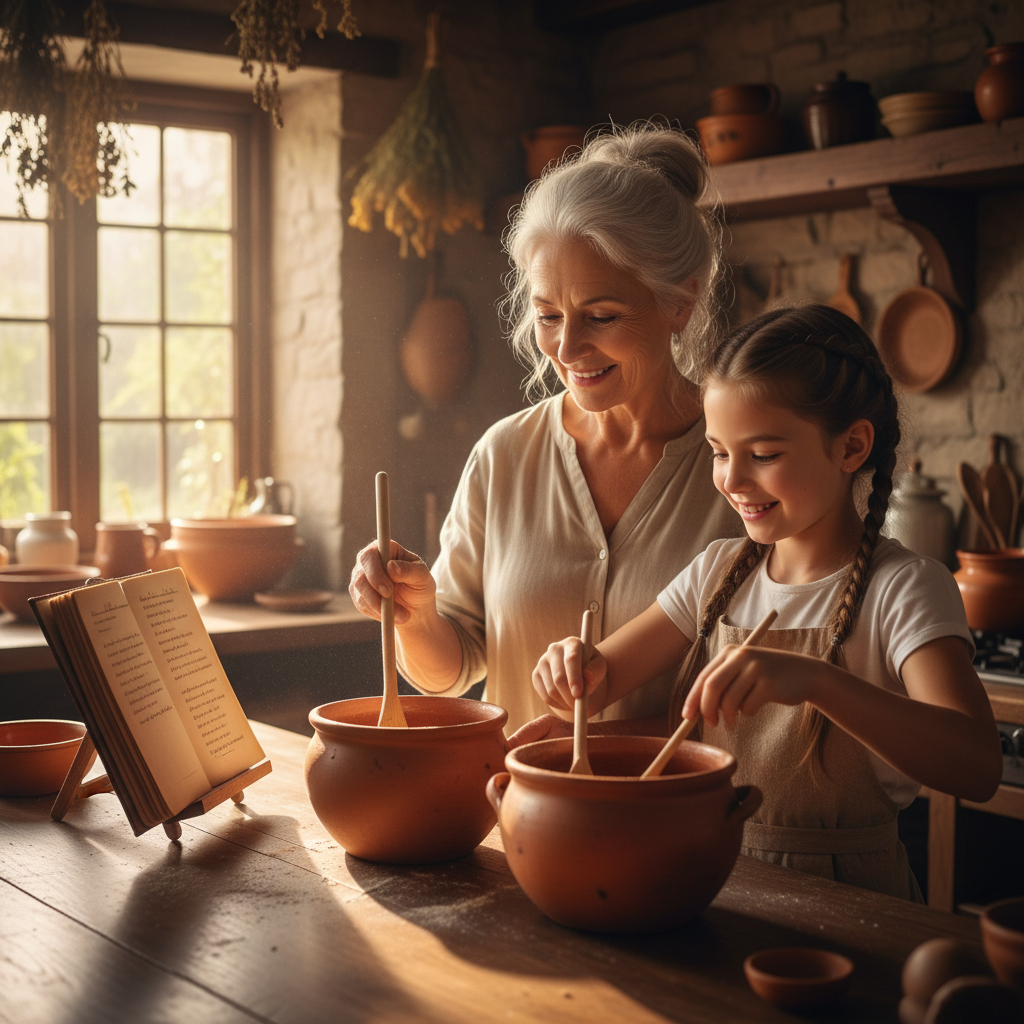
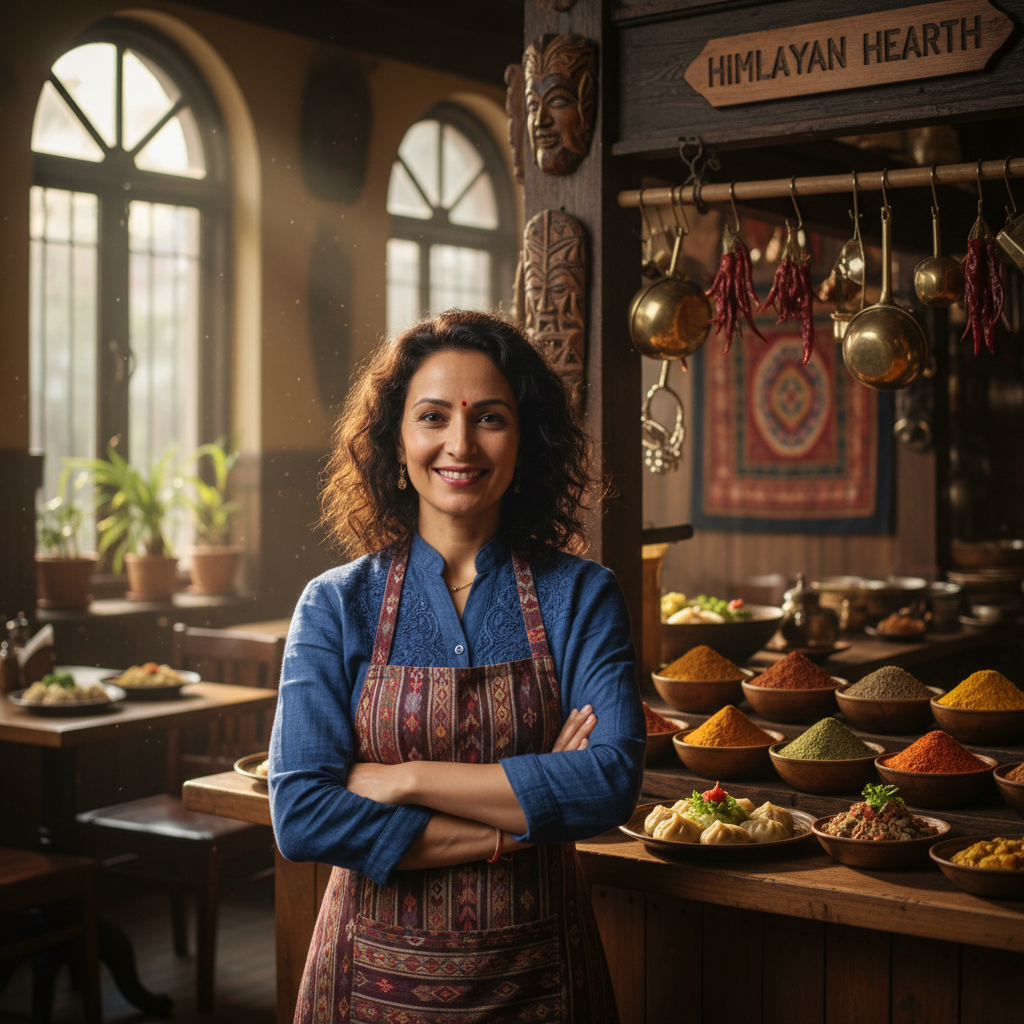
Nadia Hussain was nine years old when she watched her grandmother pound coriander seeds in a stone mortar, the rhythm a kind of language between them. That kitchen in Lahore's Walled City — with its smoke-blackened ceiling and copper pots the size of her whole body — is gone now. But the stew is not. Twenty years later, Nadia founded Simmer so that other families would not have to lose theirs.

Nadia Hussain
Founder & Head Chef, Simmer
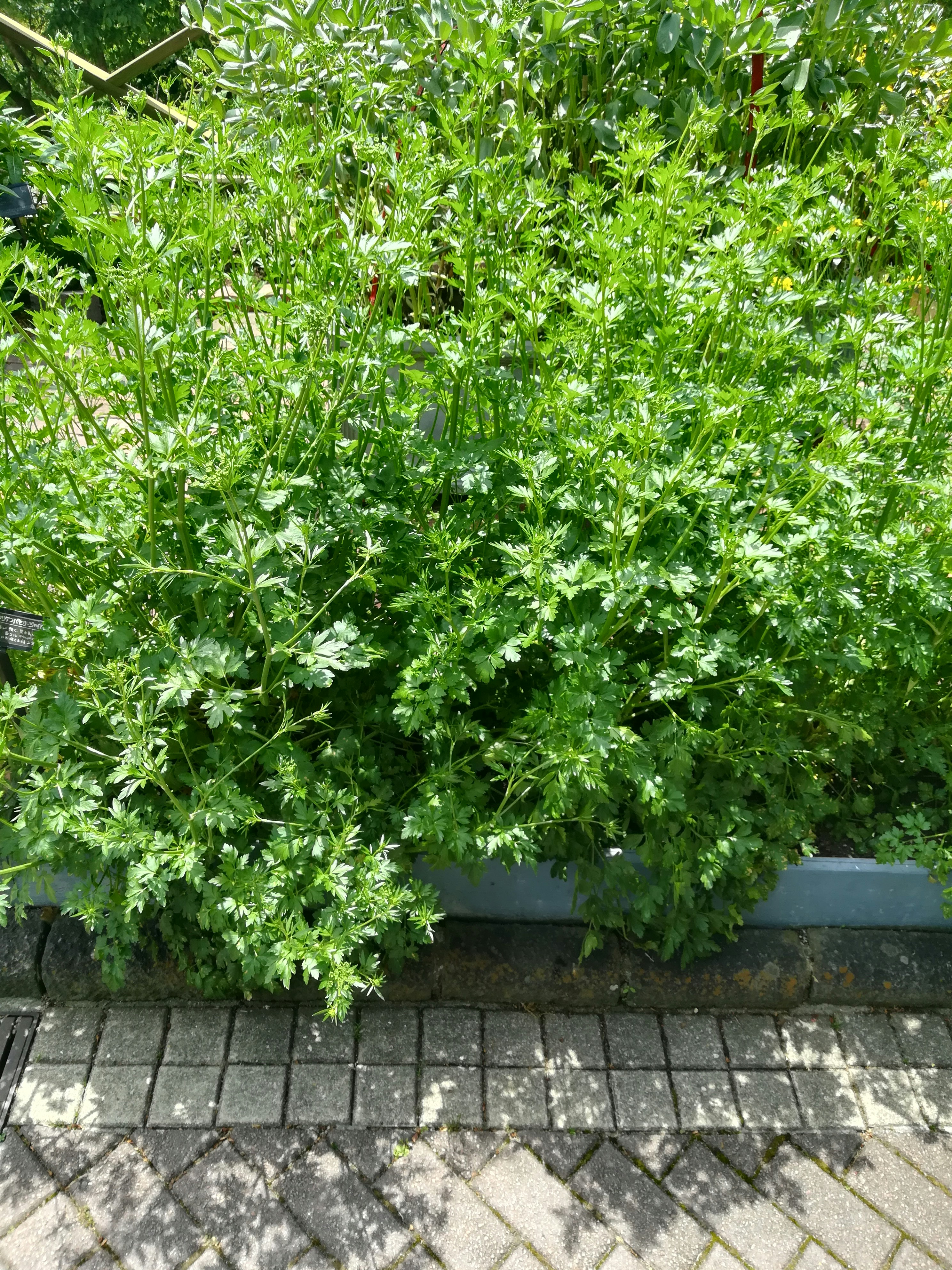
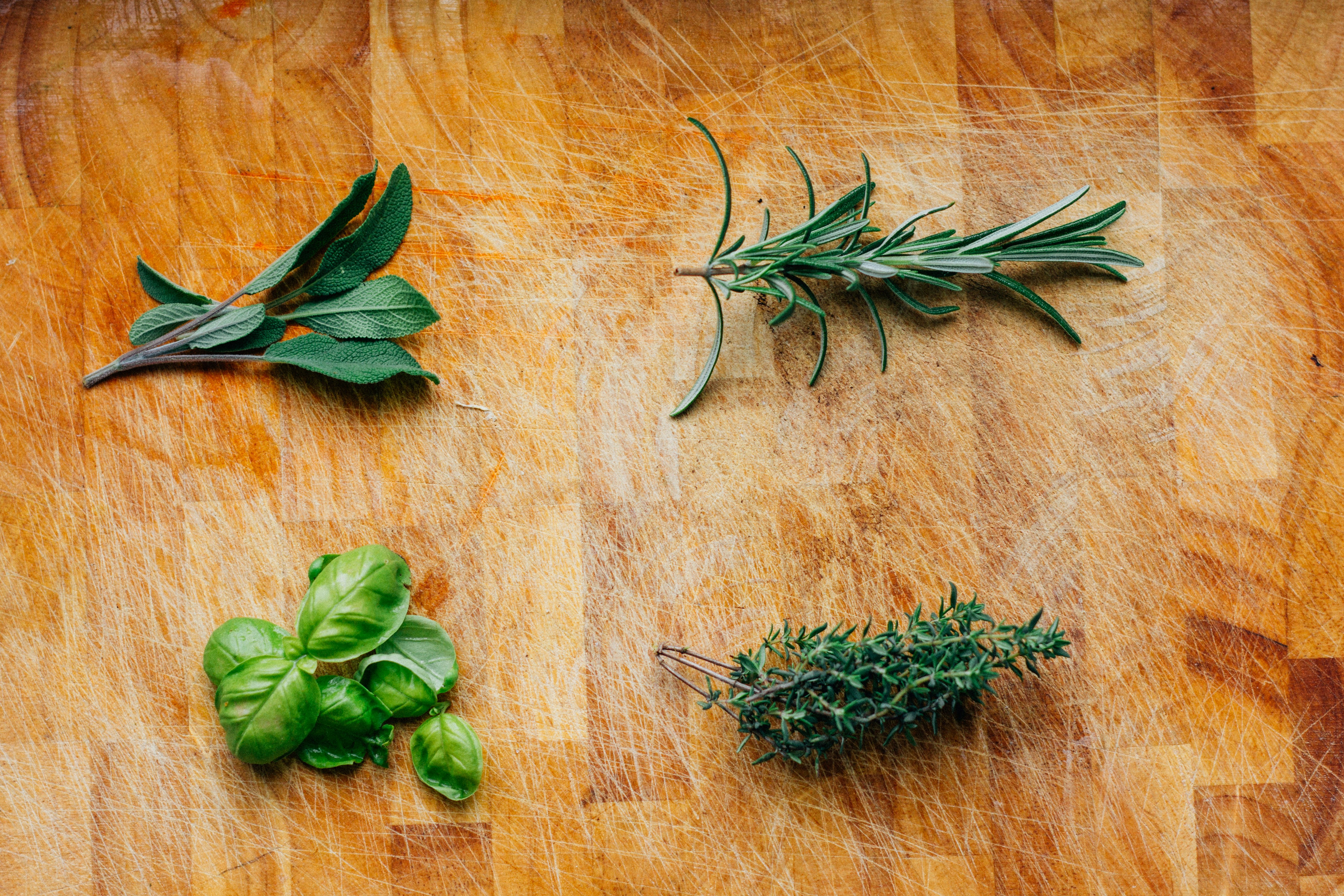
Twelve raised beds, one kitchen garden, and everything you'll cook today.
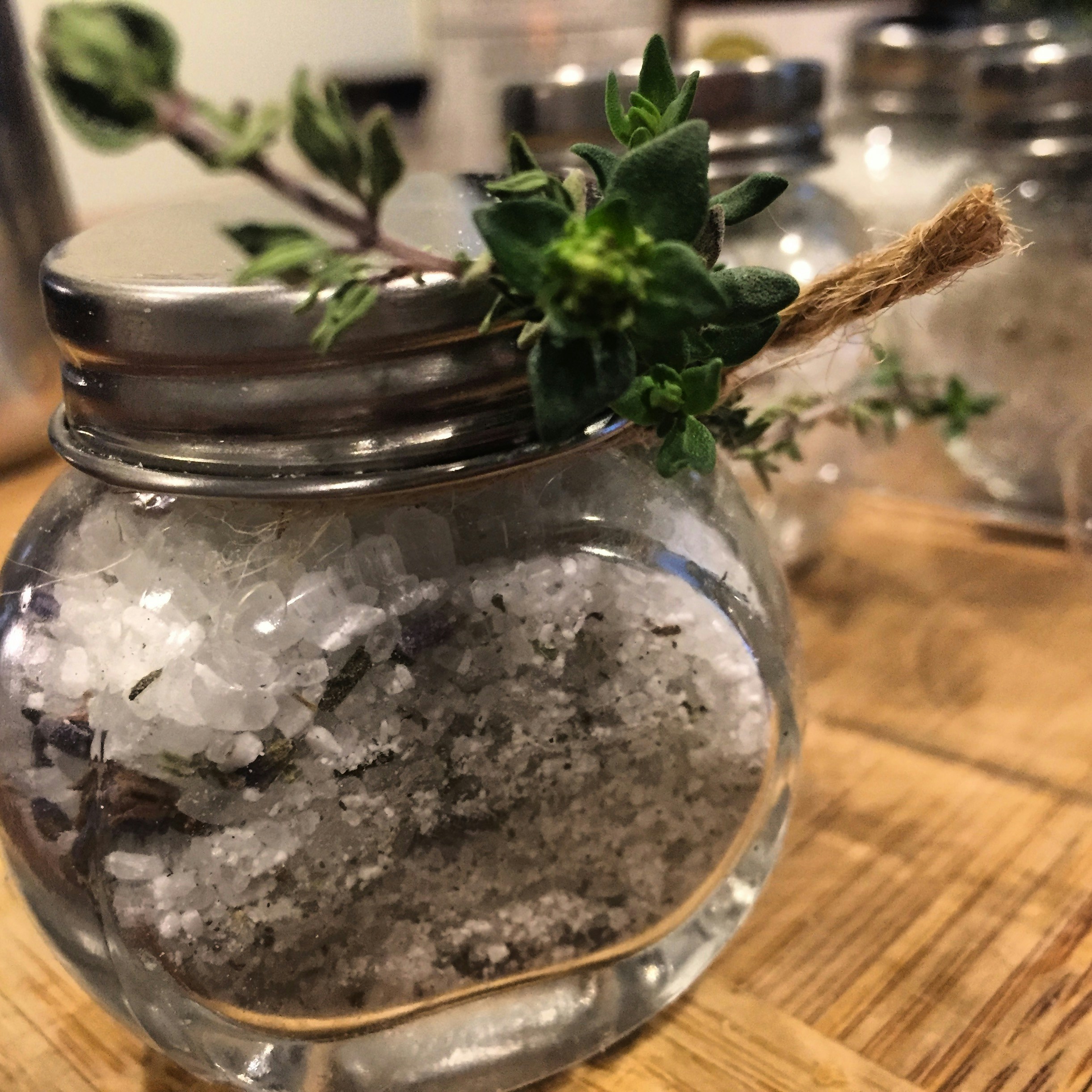
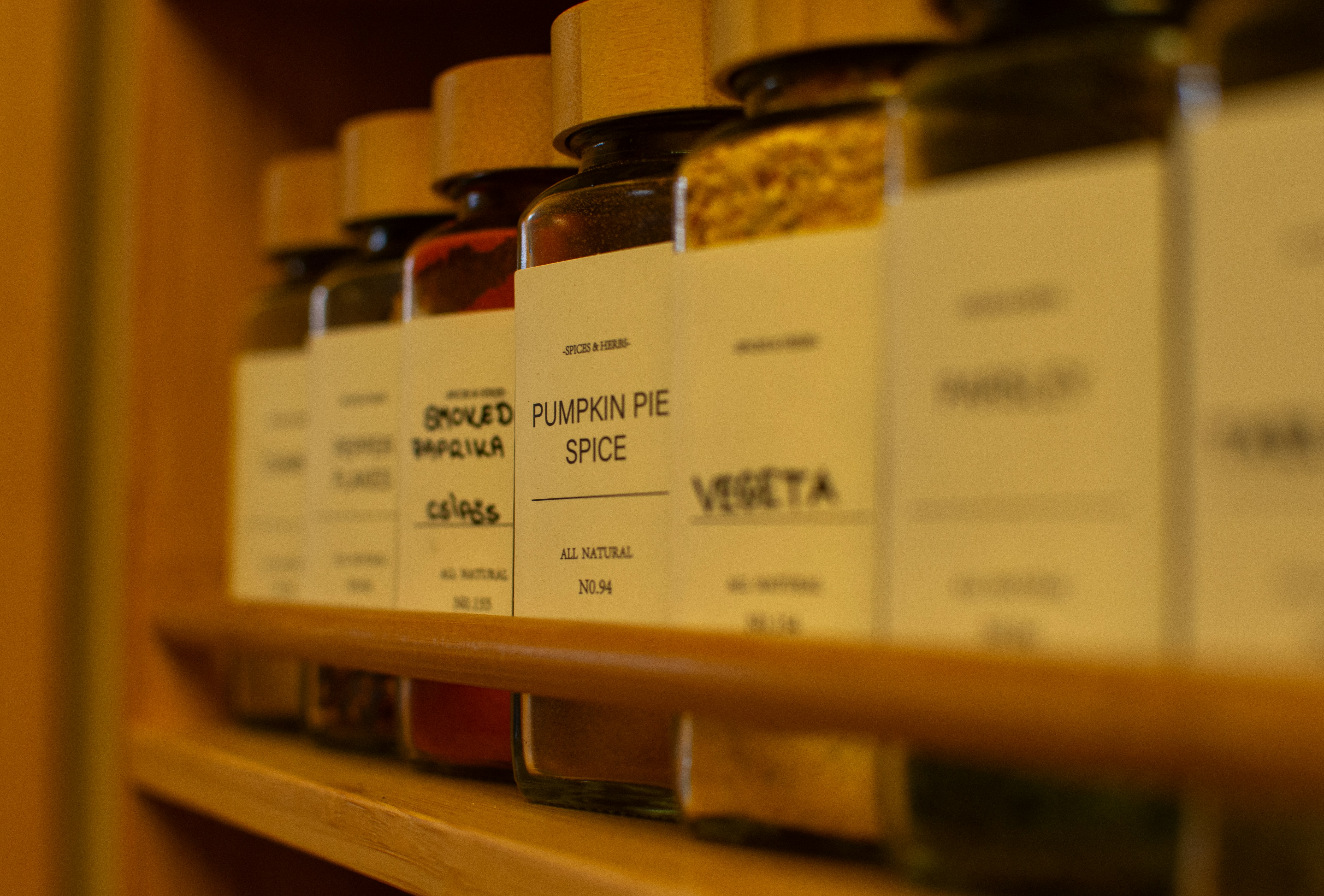
Every ingredient that enters our kitchen begins in the half-acre garden behind the building. Shiso grows beside lemon verbena. Fenugreek crowds the corner bed. In spring, we harvest the first tender herbs; by autumn, we are pulling preserved lemons from crocks and drying chillies on the windowsill. You will meet your ingredients before you cook them — that is part of the lesson.
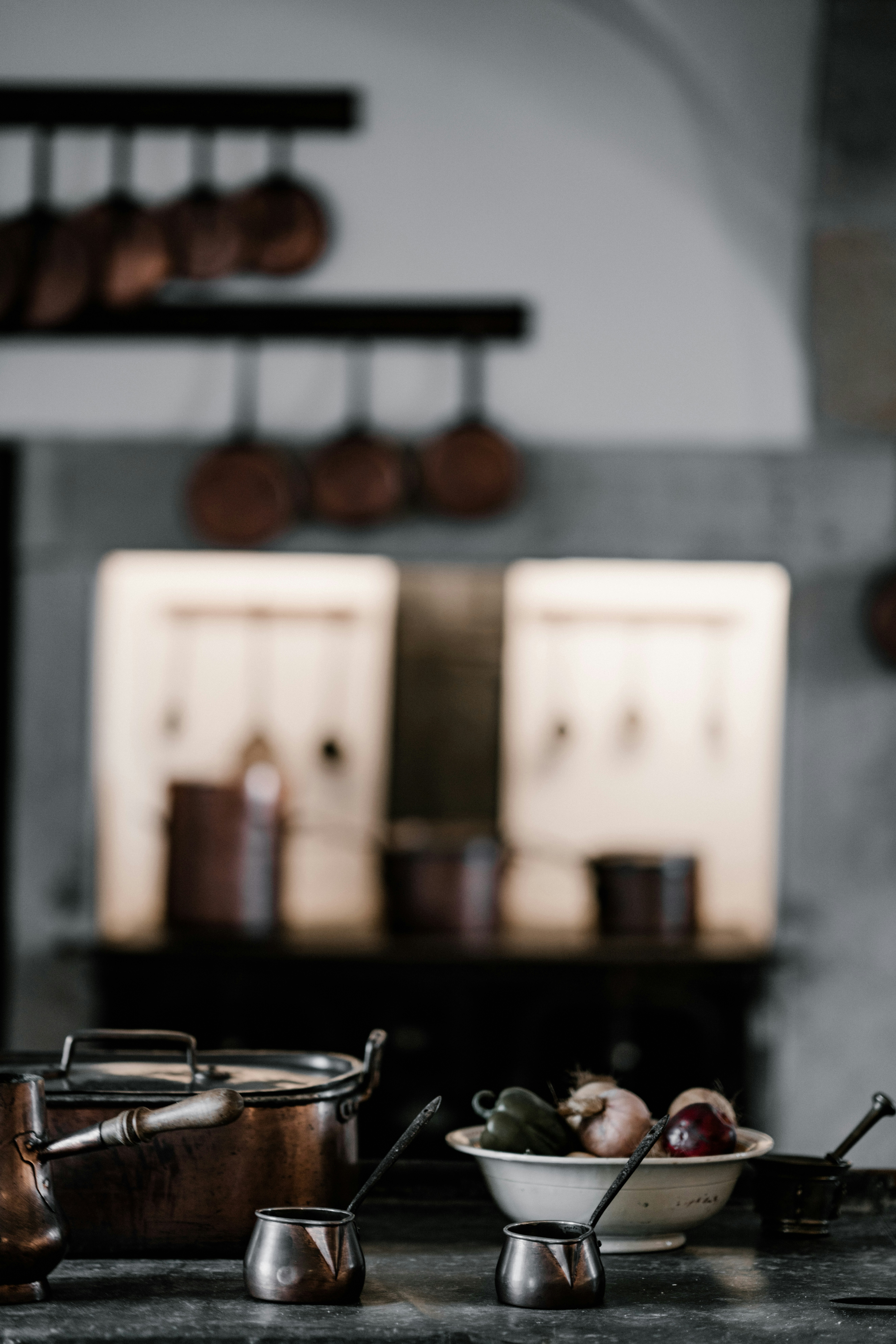
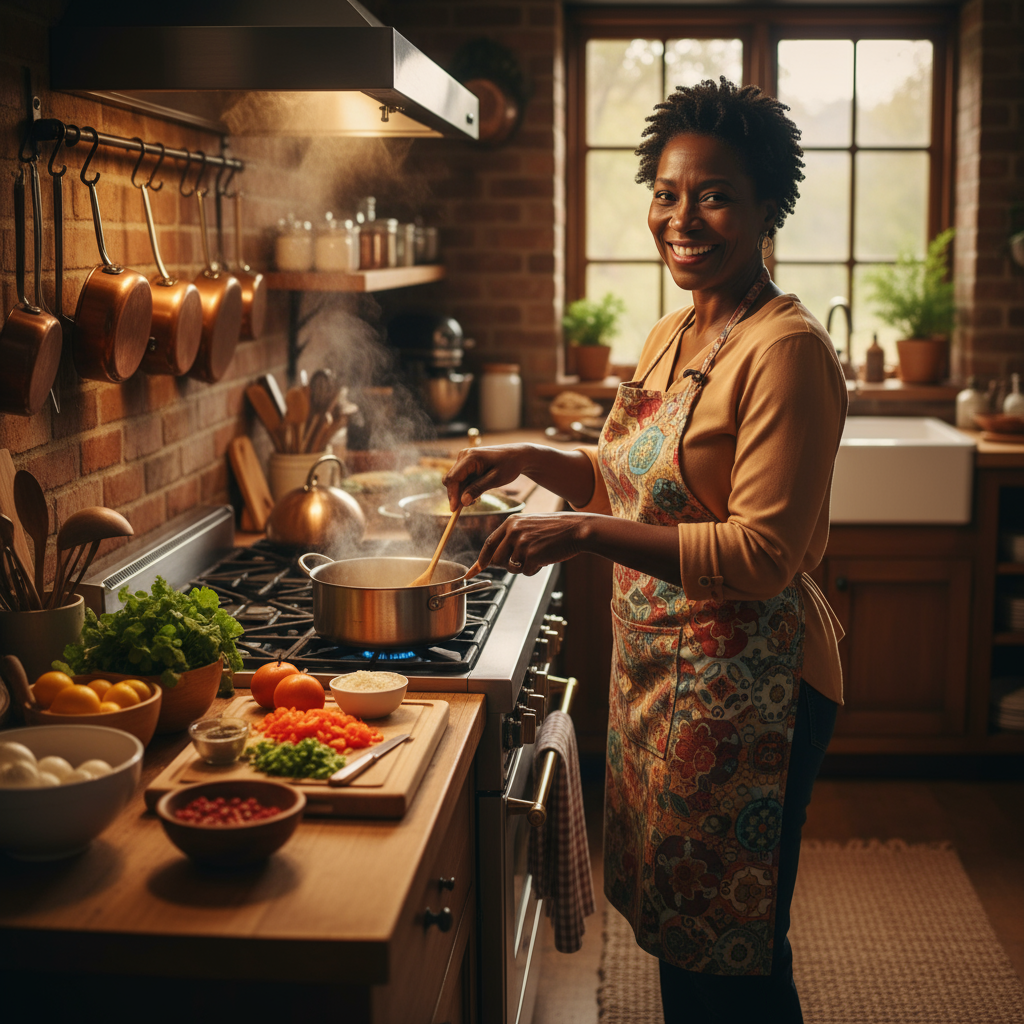
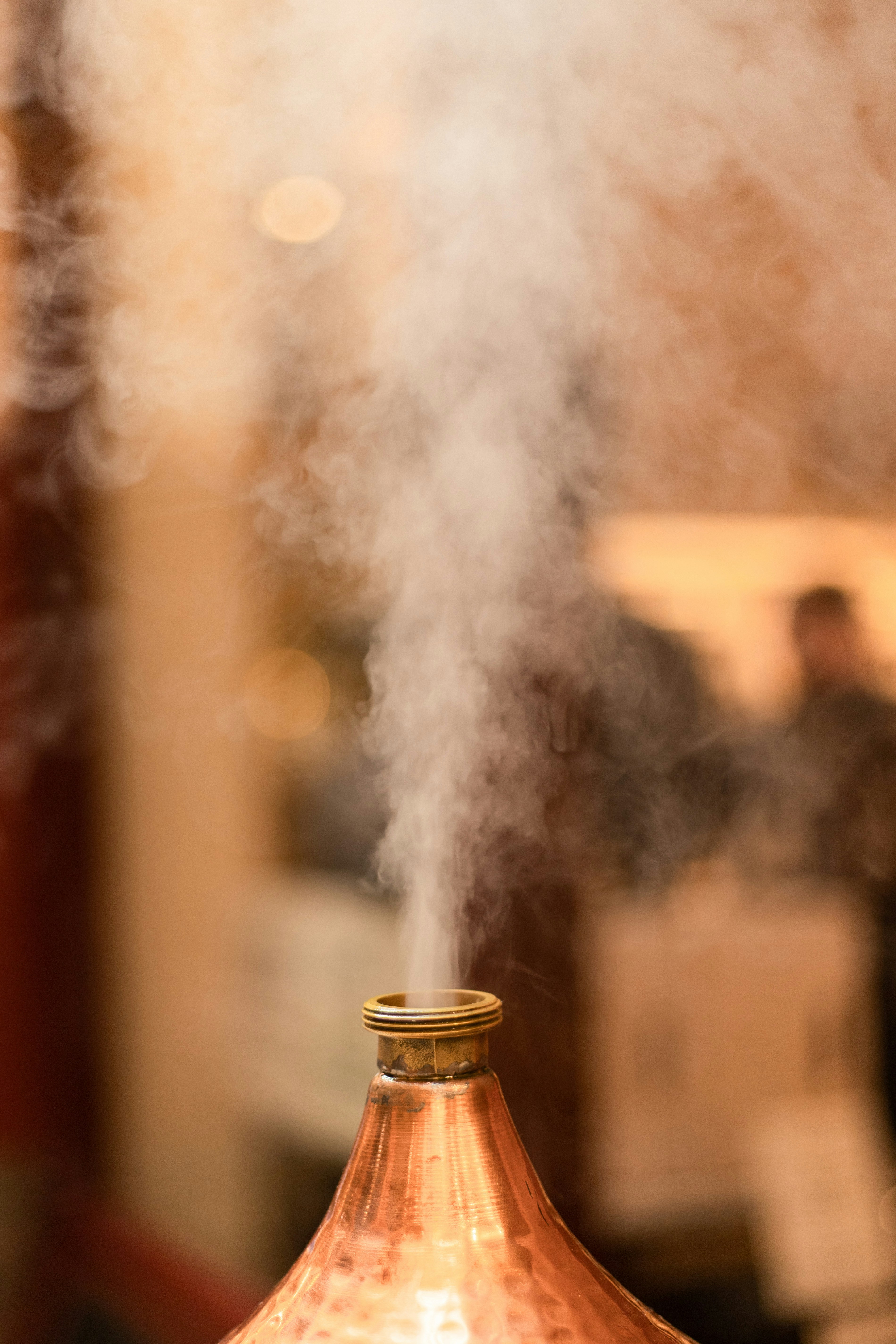
Cool stone underfoot. A copper pot already warming. The scent of cumin in the air.
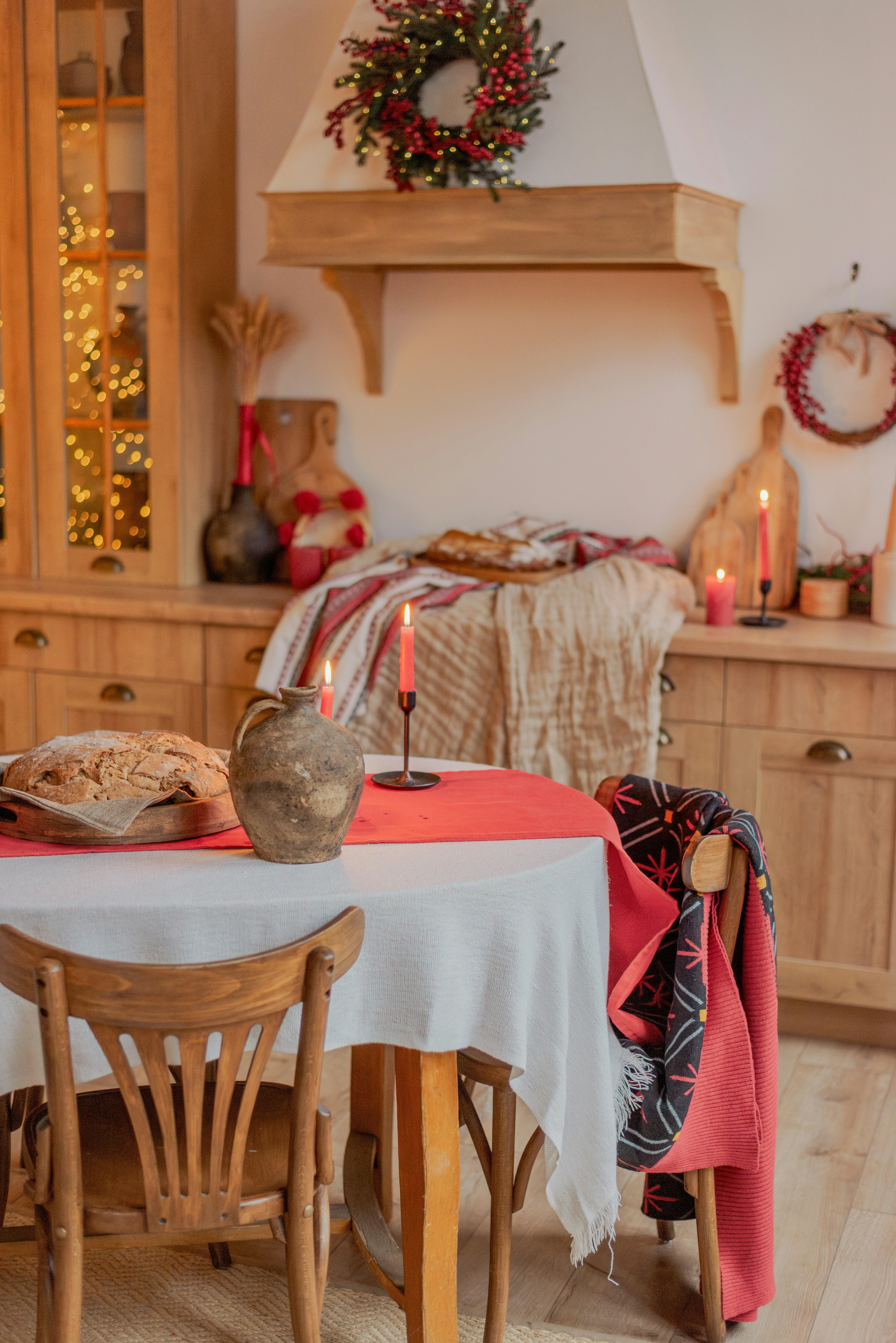
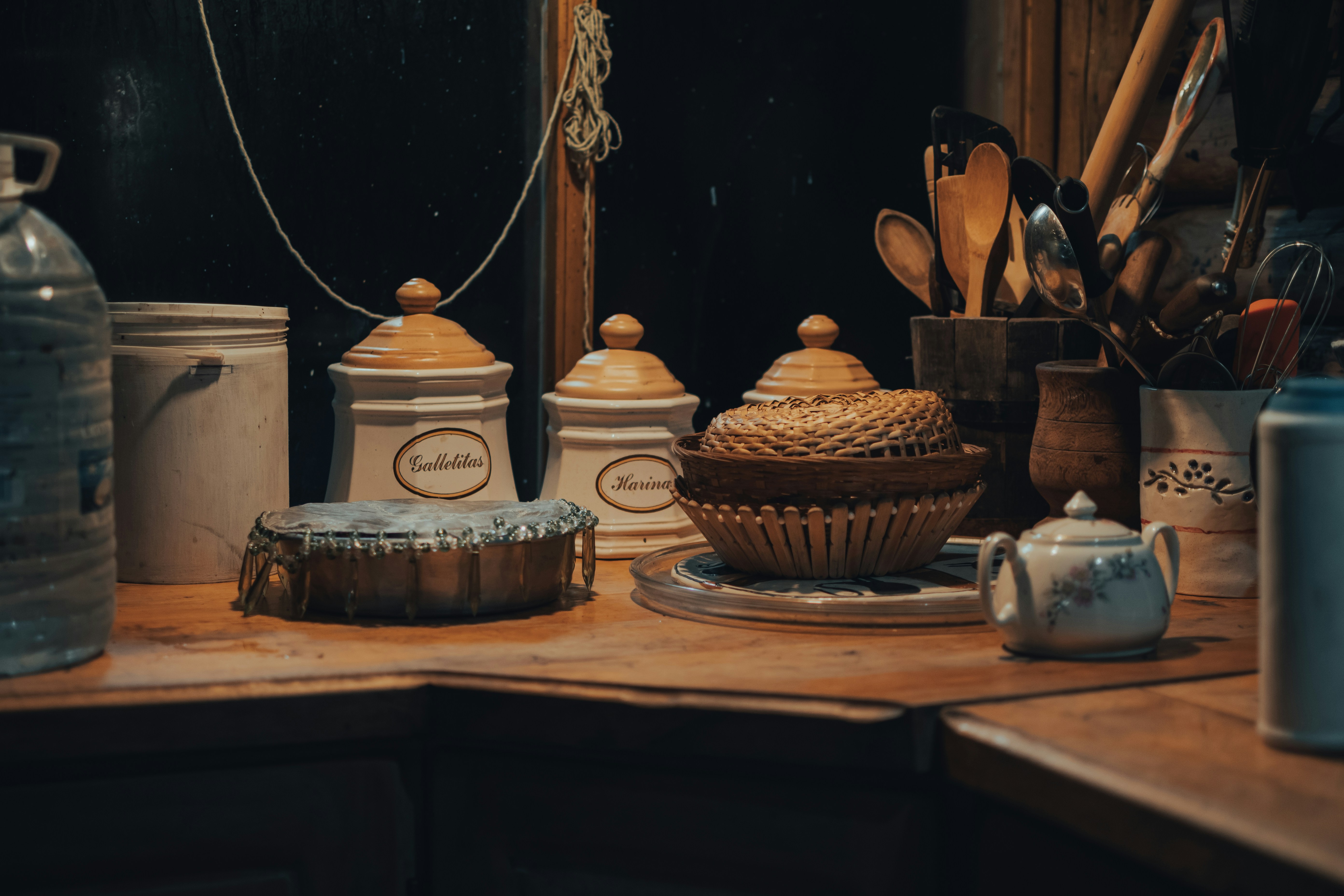
Our teaching kitchen is a converted farmhouse outbuilding — original stone walls, wide oak worktops, and a wood-fired oven that took three months to build correctly. Every class accommodates eight students. You will stand at a full station, not watch from a stool. By the end of the session, you will have cooked the dish, understood why each step exists, and eaten it at the long table with everyone else.
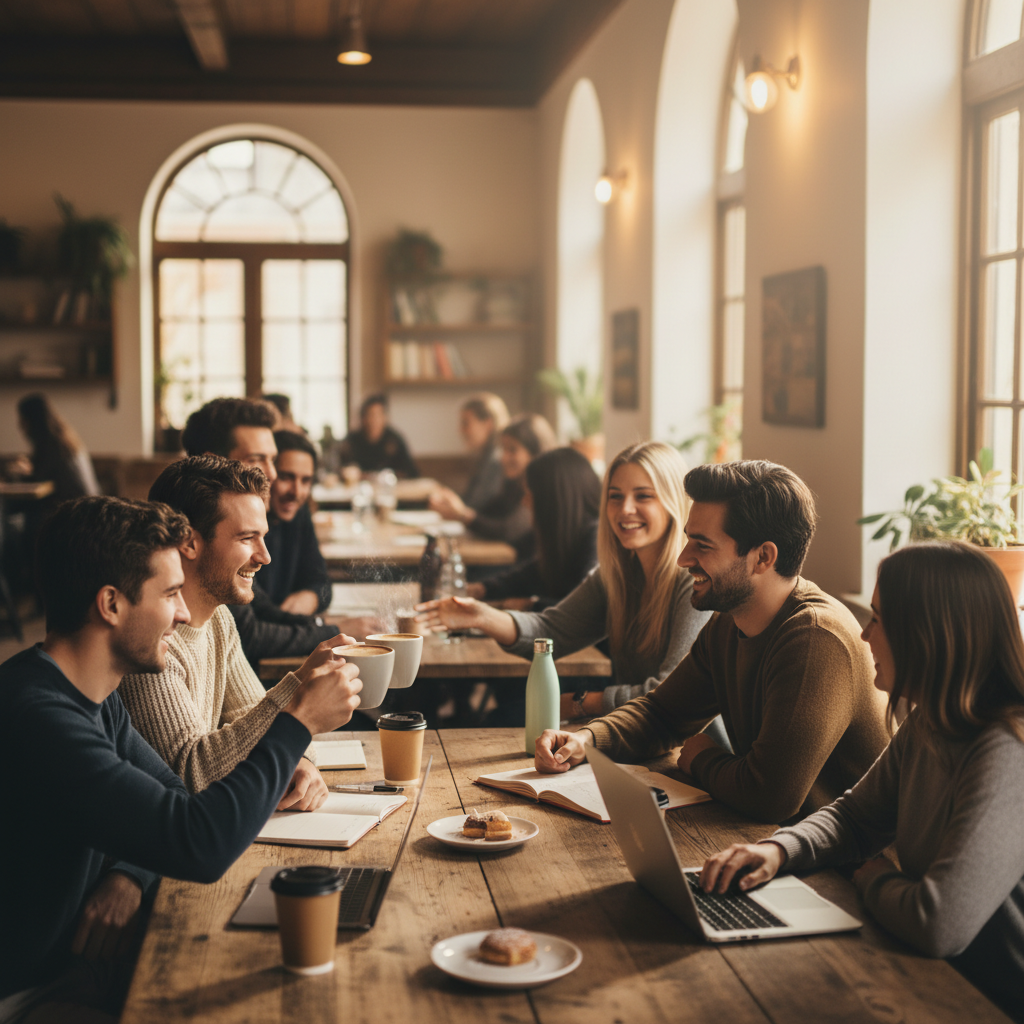
Every class ends the same way — everyone eats together.
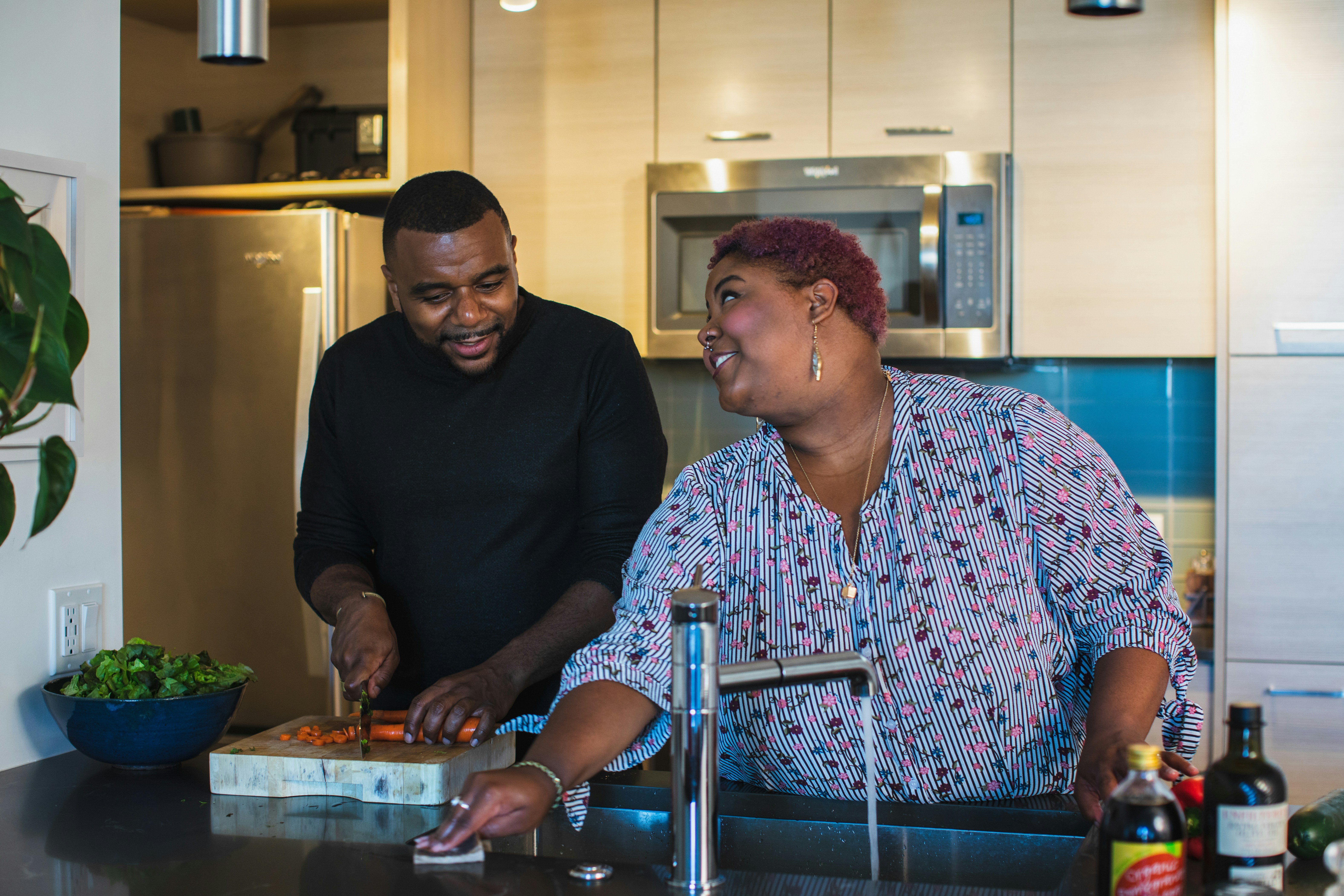
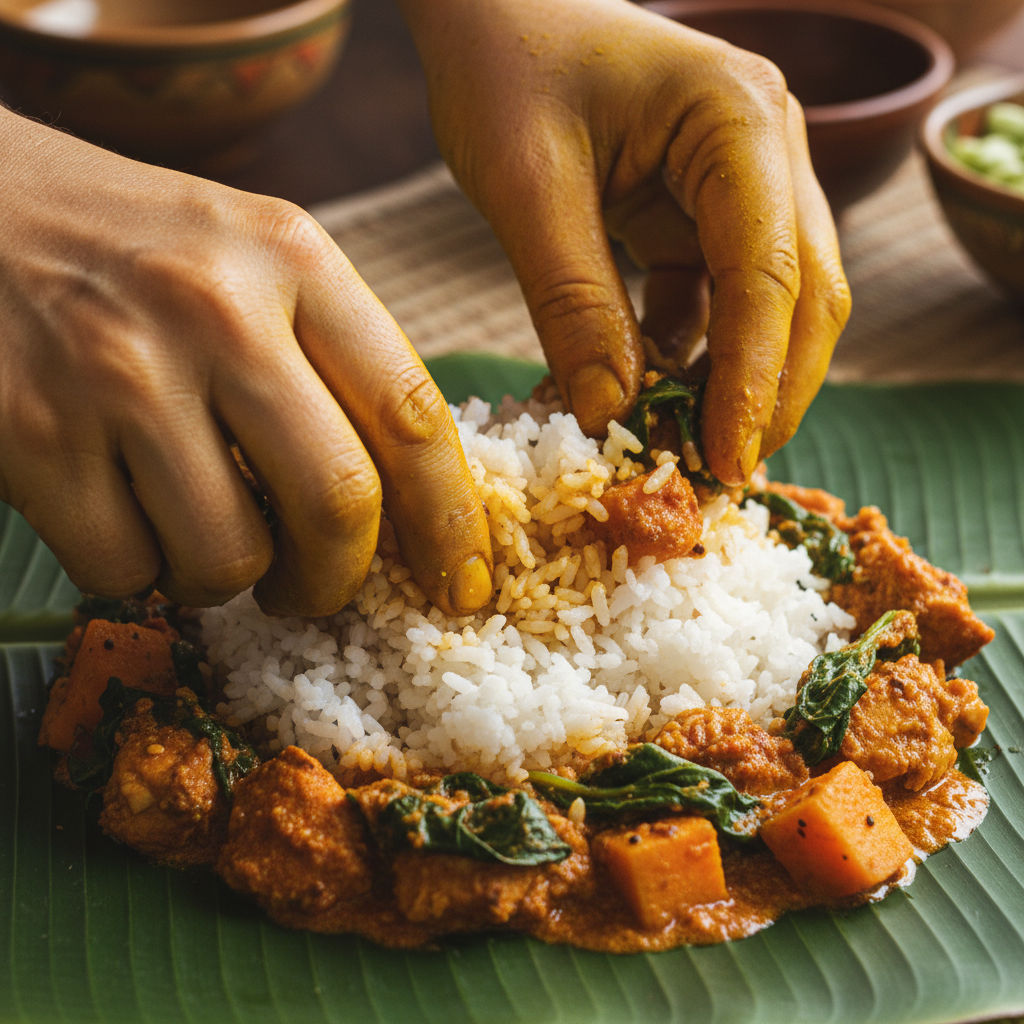
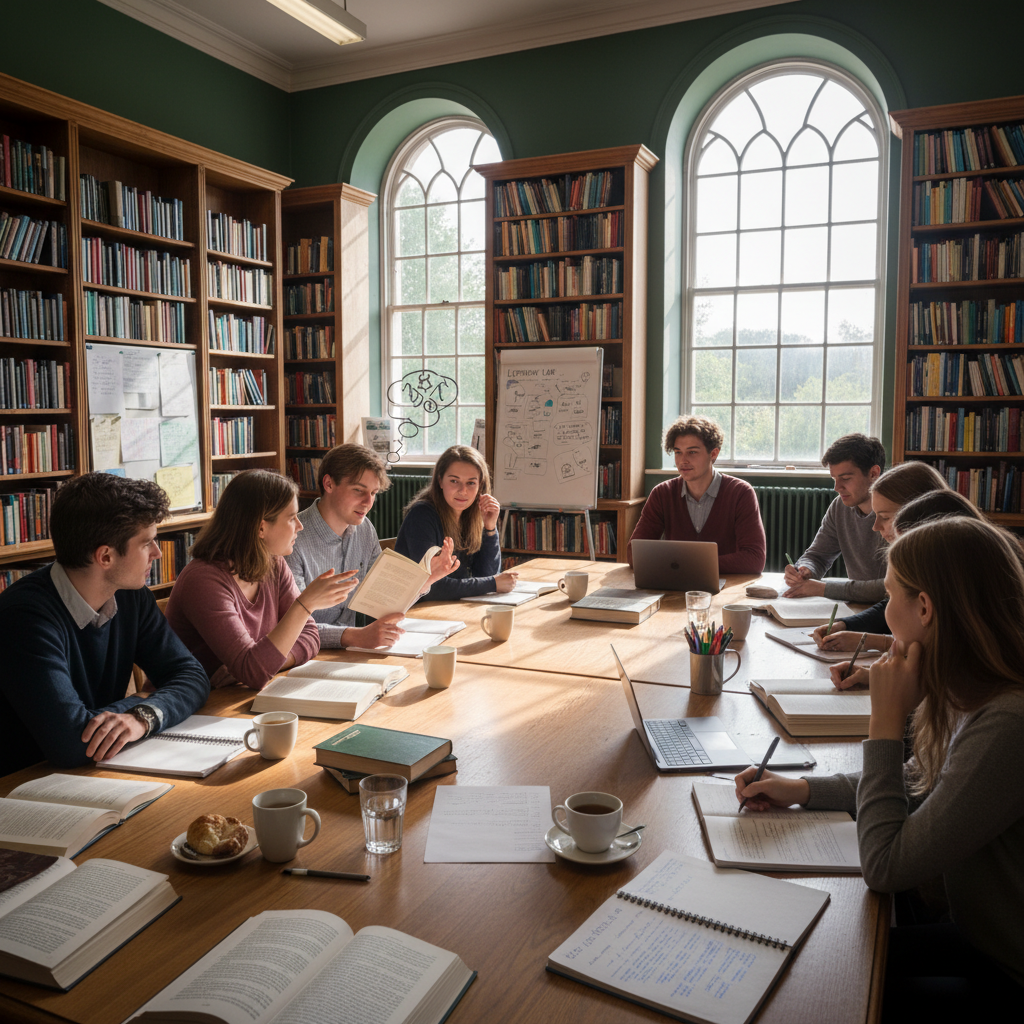
There is no separate dining room at Simmer. The table is in the kitchen, pushed against the wall during class and pulled to the centre when the cooking is done. Students from the morning class often linger into the afternoon. Second-generation cooks swap family variations. Interfaith couples discover that hospitality tastes the same in every language. This is what we are actually teaching.